
Why Your Manufacturing Process Automation Isn’t Delivering the Efficiency You Expected
Dec 10, 2025 | 2 min read
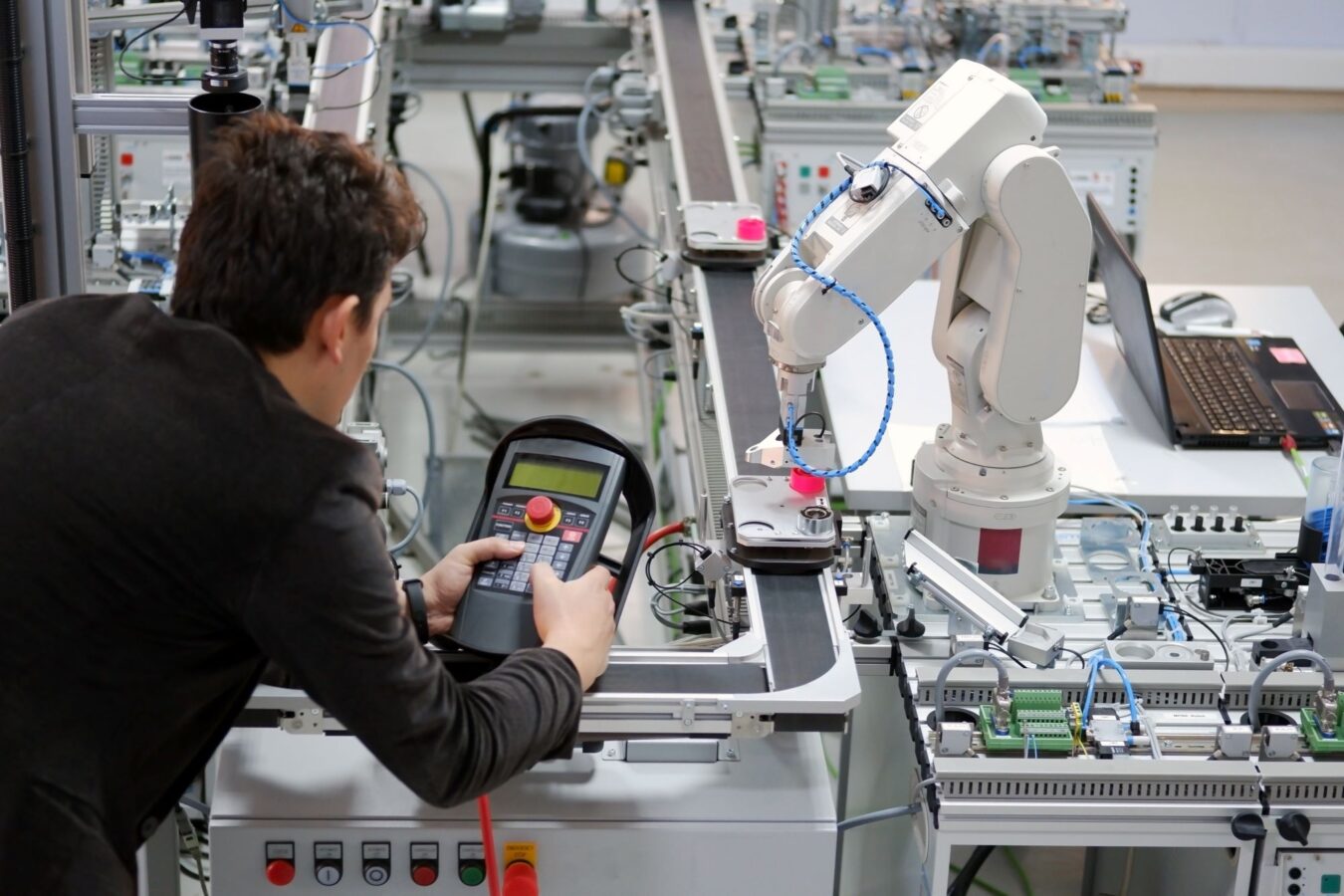
Automation聽is聽often seen as the ultimate solution for improving productivity and reducing costs in manufacturing. However, many companies discover that after implementing automation, the efficiency gains they聽anticipated聽simply聽don鈥檛聽materialize.聽聽
Why does this happen? The answer usually lies in a few critical missteps that occur before and during the automation process.
Below I will discuss the major areas: automating a broken process, miscalculating efficiency and ROI, not gathering the right team early, and failing to define the scope.
4 Reasons Your Manufacturing Process Automation Isn’t Producing the Results You Wanted
Automation can only perform as well as the processes, data, and people behind it. Here are some of the most common reasons automation projects聽don鈥檛聽deliver the gains manufacturers hope for.聽聽
1. You’re Automating a Broken Process
Automation doesn鈥檛 always fix inefficiency. Sometimes automation accelerates it. If your process flow is poorly designed, adding robots or automated systems will only make problems happen faster.
Before investing in automation, take time to improve the fundamentals. Ensure materials are staged properly to minimize delays and implement Lean manufacturing practices to eliminate waste.
It鈥檚 also important to evaluate connected processes upstream and downstream. If those areas are inefficient, your automated system will still face bottlenecks, and the overall workflow will suffer.
2. You Miscalculated Automation Efficiency and ROI
Another common issue is miscalculating the true impact of automation. Many organizations聽fail to聽account for expected and unexpected downtime when calculating聽Overall Equipment Effectiveness (OEE).聽Without a clear baseline of current performance,聽it鈥檚聽impossible to measure improvement accurately.聽聽
Additionally, indirect labor costs often get overlooked. Automation doesn鈥檛 eliminate all human involvement鈥攎aintenance, material handling, and troubleshooting still require people. These hidden costs can significantly affect your ROI if they鈥檙e not factored in from the start.
3. You Don’t Have a Clearly Defined Scope
Many automation initiatives lack a clearly defined scope.
Before you start, ask yourself:聽聽Are you trying to reduce cycle time, improve quality, or聽eliminate聽bottlenecks? Without clear聽objectives, automation can become an expensive experiment, wasting time and money.聽聽
Identify the real constraints in your process and focus on solving those problems. And remember, product quality should always remain a priority. Automation should reduce scrap and improve consistency without compromising standards and requirements.
4. You Didn’t Gather the Right Team Early Enough
Automation projects often fail because they鈥檙e planned in a management silo. The people who work with the process every day (operators, material handlers, engineers, maintenance) have valuable insights that can prevent costly mistakes. Involving them early not only improves the design but also builds buy-in and reduces resistance to change. Showing employees that their input matters fosters a culture of collaboration.
Also,聽don鈥檛聽hesitate to bring in outside聽expertise聽if you need it.聽Partners, like聽my team at聽杏吧视频聽Engineering,聽can聽help align technology with your business goals and ensure your automation strategy is sound.聽
Better Your Bottom Line
Automation is a powerful tool, but it鈥檚 not a magic wand. Success depends on correcting broken processes, calculating OEE and ROI accurately, involving the right team members, and having a clearly defined scope.
If your automation isn鈥檛 living up to expectations, take it as a signal鈥攏ot a setback. Diagnose the gaps, make small and steady adjustments, and treat optimization as part of your everyday operations.
At 杏吧视频 Engineering, we help manufacturers like you do exactly that: align people, processes, and technology for long-term efficiency. If you need help with automation implementation or fine-tuning,聽we鈥檙e聽here to help.聽Contact us online聽to聽start the conversation.聽
Written By:

Foster Webb
Automation SME
杏吧视频 Newsletter
Sign up to receive articles and insights, delivered monthly.
Schedule a no-committment project call
Reach out to discuss your project to find out if 杏吧视频 could be a good fit for you.